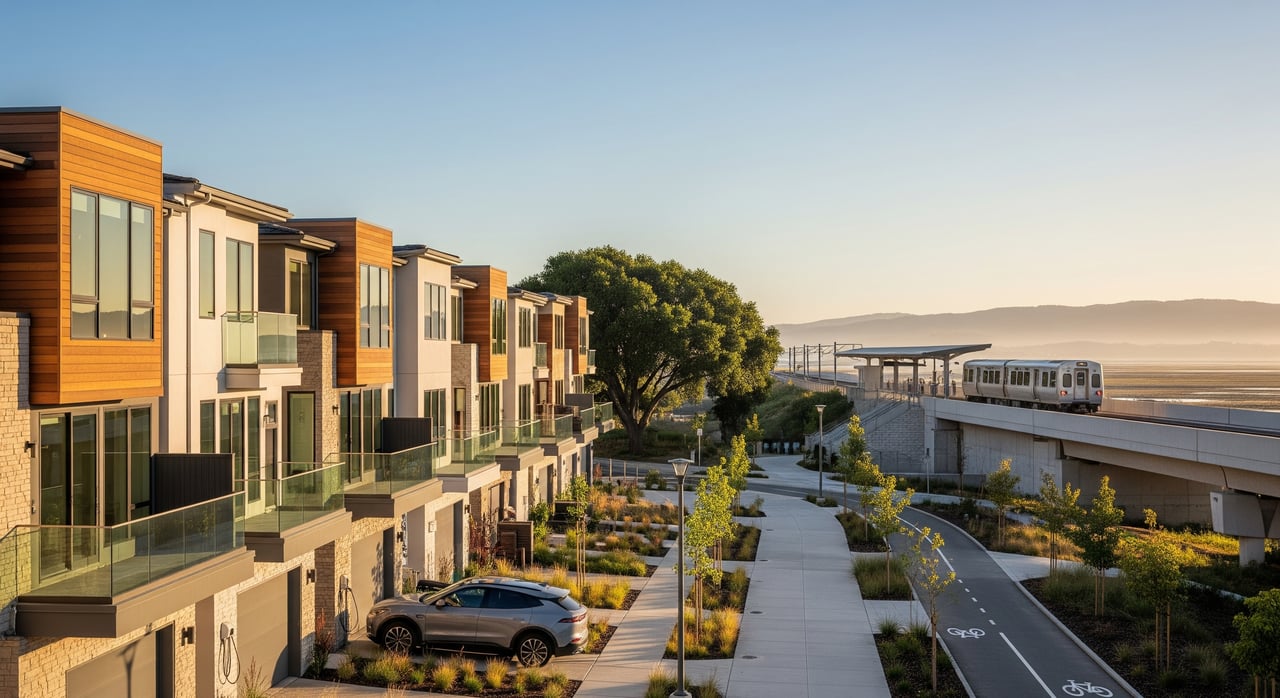
Antioch eBART Commute Guide for Bay Area Homebuyers
January 1, 2026
January 1, 2026
Thinking about buying in Antioch to get more home for your budget, but worried about the commute? You’re not alone. Many buyers weigh extra space and value against the daily trip to Oakland or San Francisco. This guide shows you how Antioch eBART works in real life, from parking and first‑mile options to door‑to‑door timing and neighborhood tradeoffs. By the end, you’ll know how to choose the right location for your commute and your lifestyle. Let’s dive in.
eBART is the eastern Contra Costa extension that serves Antioch. It runs Diesel Multiple Unit trains that connect to the core BART system at Pittsburg/Bay Point, where you transfer to continue toward Oakland, San Francisco, and other destinations.
You use the same payment system throughout the network. Clipper is accepted, and fares are distance‑based. Your total commute time depends on every leg of the trip, not just in‑train minutes. Plan for station access, wait time, the eBART segment, the transfer at Pittsburg/Bay Point, core BART ride time, and your final walk or shuttle.
Key takeaway: Proximity to the Antioch eBART station and the ease of your transfer often matter more than raw rail time.
Antioch eBART operates as a commuter‑oriented park‑and‑ride station. You’ll find vehicle drop‑off lanes, bus bays for local transit connections, ADA access, and bike racks or lockers. Facilities are designed to support morning peaks, but supply is still finite.
Weekday mornings can fill parking early. Some nearby streets may see spillover, and rules can change. Check current City or BART information for daily, time‑limit, and any overnight policies. If you’re safety‑minded, visit at the hours you’d actually use the station to observe lighting and visibility.
Smart strategies include arriving earlier, using drop‑off or rideshare on busy days, or parking a bit farther away and walking or biking if local rules allow. In some Bay Area station areas, residential permit programs limit commuter parking on nearby blocks, so verify Antioch’s latest neighborhood rules before you rely on street parking.
If you live within about 0 to 0.5 mile, a daily walk can be practical. Between about 0.5 and 3 miles, biking keeps your routine simple and avoids parking. With an e‑bike, 3 to 6 miles can be realistic for many commuters. Check sidewalk conditions, crossings, bike lanes, and whether secure or covered bike storage is available.
Local routes from Tri Delta Transit and other operators connect parts of Antioch and nearby communities to the station. Some timetables align with peak train times, which can cut waits. If your employer offers a shuttle, vanpool, or pre‑tax transit benefits, factor those into your plan.
Kiss‑and‑ride lanes help with quick drop‑offs, though they’re busier during the morning peak. Rideshare is common. Confirm pickup and drop‑off zones so you can estimate the short walk and keep your morning routine smooth.
Your commute includes these parts: getting to the station, parking and walking in, waiting for eBART, riding to Pittsburg/Bay Point, transferring and waiting for a mainline BART train, the core BART ride, and your final walk or shuttle. Many commuters report total times to Oakland or downtown San Francisco in the general range of about 60 to 90-plus minutes. Actual times vary with the schedule, time of day, parking, and your final destination.
Peak hours often mean more frequent trains, but also fuller lots and longer drop‑off queues. Off‑peak can reduce parking stress but may mean fewer transfer options. Build a small buffer for delays, since a longer commute magnifies the impact of any disruption.
Clipper works across eBART and BART, and fares are distance‑based. If you use a local bus or shuttle, check for separate fares or available transfer discounts. Keep your normal route in a fare calculator and review it any time your destination or schedule changes.
Antioch historically offers lower median prices than many inner East Bay cities. The tradeoff is a longer daily commute that includes a planned transfer and potential morning congestion. Quantify your savings against your time. If the home price difference is significant, the value may outweigh the longer ride, especially with hybrid or flexible work.
If you have flexibility or hybrid days, longer commutes can be easier to manage. If you work fixed hours or travel late, look closely at evening train frequency, lighting on your walk, and your preferred backup plan.
Walkability near the station can vary block by block. Evaluate sidewalks, crossings, visibility, and lighting during your actual commute window. Review local reports and visit in person to align choices with your comfort level.
Families often weigh school choices alongside commute time. Consider how your morning routine will look if you also have school drop‑offs or childcare stops, and test the timing before you commit.
Use this on a home tour or second visit so you can compare locations apples‑to‑apples.
Use this quick framework to estimate your real‑world time and stress.
Add a small buffer for delays. Repeat this test for your most likely schedule and for a late return so you know your range.
As a neighborhood‑focused team serving Antioch and eastern Contra Costa, we help you map commute reality to your short list of homes. We’ll time test runs with you, compare first‑mile options, and flag inventory within practical walk or bike distance to the station. Our buyer representation blends local knowledge with a team process that keeps your search and escrow steps moving.
If you want expert help balancing price, convenience, and lifestyle, reach out to the Sold Buy Team. We’ll help you find a home that fits your commute and your goals.
Stay up to date on the latest real estate trends.
Experience the finest in real estate service with a proven track record of satisfied clients who recommend us to their circle. Our mission is your success, as we prioritize your needs and ensure a seamless buying or selling experience. Trust us as your reliable partner, and let's make your real estate goals a reality.