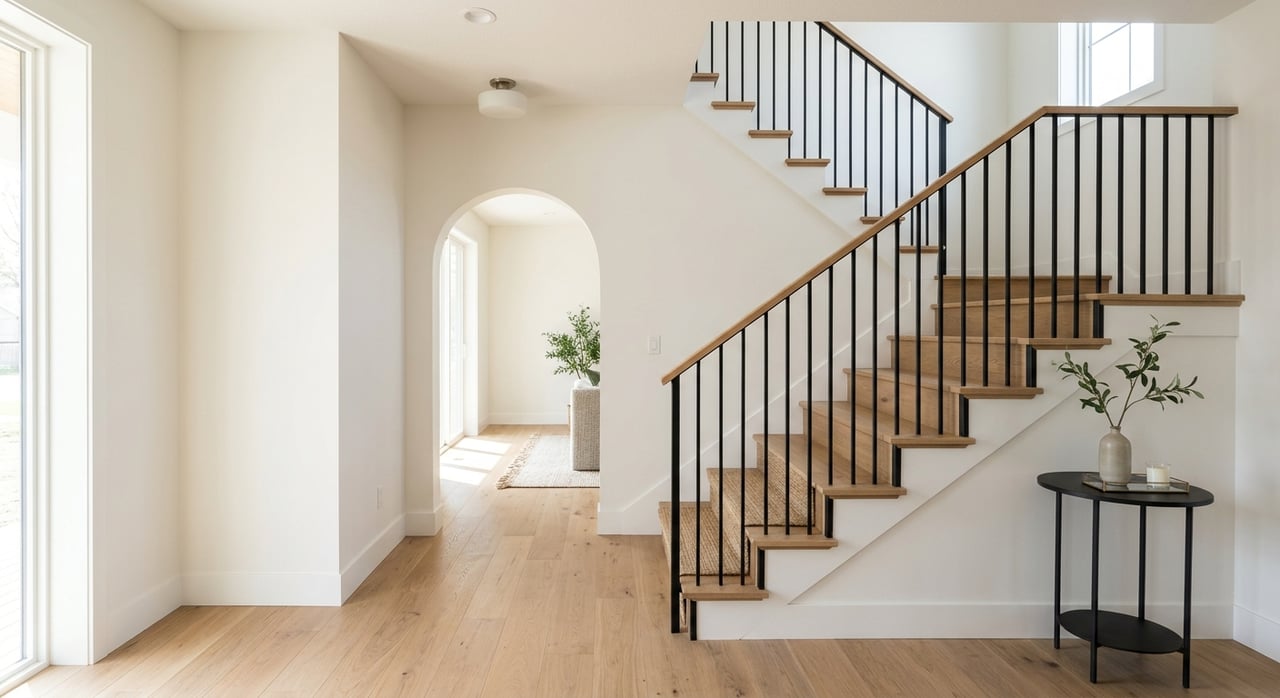
How to Sell and Buy a Pittsburg Home With Better Timing
July 23, 2026
July 23, 2026
If you sell your Pittsburg home at the wrong time, your next move can feel a lot harder than it needs to. You are not just trying to get a strong price. You are also trying to line up financing, contract deadlines, move-out timing, and the cost of the home you want to buy next. With a plan, you can reduce stress and make better decisions before the first showing or offer. Let’s dive in.
Pittsburg has been moving at a fairly quick pace, but not every home sells on the exact same schedule. Recent 2026 data shows homes can sell in roughly two to five weeks, depending on the source and the time period measured, with sale-to-list ratios around 100% to 101%.
That speed can help you as a seller, but it can also create pressure when you become a buyer. Contra Costa County prices are higher overall than Pittsburg, with a June 2026 county median price of $920,000 for existing single-family detached homes. If you are selling in Pittsburg and buying elsewhere in the county, your next purchase may cost materially more than the home you are selling.
Before you list, think about the full chain of events instead of just your target sale price. You need time for home prep, marketing, showings, contract negotiations, contingency periods, closing, and your move into the next home.
A realistic plan usually includes some buffer. Pittsburg can move quickly, but market pace varies by property, price point, and buyer demand. Building in extra time can give you more options and fewer last-minute decisions.
In California, timing is built into the contract. The Department of Real Estate reference guide notes a common pattern of about 3 days to deliver the deposit to escrow, 7 days to complete loan applications and verify funds, and 17 days for inspections and investigations.
The seller also typically has 7 days to provide disclosures. If contingencies are going to be removed, that removal must be in writing. That means your sale and your next purchase need to be coordinated carefully, because one missed or compressed deadline can affect the rest of your move.
This is often the simplest path from a risk standpoint. You sell your current home, know your net proceeds, and then shop for your next home with a clearer budget.
The tradeoff is convenience. If your sale closes before your next purchase is ready, you may need temporary housing or a post-closing occupancy arrangement. Still, this option can make your next offer cleaner because it may not depend on selling your current home first.
California contracts can state that your purchase depends on the sale of your current home. This can protect you from owning two homes at once or committing funds you do not have yet.
The downside is competitiveness. In a market where some homes receive multiple offers and contingencies may be limited, a sale-contingent offer can be less attractive to a seller. This option may work best when the home has been on the market longer or when the seller has more flexibility.
A same-day or closely timed closing can reduce the gap between selling and buying. In theory, it lets you use proceeds from your sale for your next purchase with less need for temporary housing.
In practice, it requires careful coordination. Loan timing, escrow scheduling, buyer performance on your sale, and seller performance on your purchase all have to line up. It can work well, but it leaves less room for delays.
One of the smartest things you can do is prepare for financing early. Before you start shopping seriously, review your credit, assess your finances, and put together your loan application materials.
This matters even more when you are selling and buying at the same time. You want to know what you may qualify for, what your cash needs could be, and how closing costs may affect your plan. The earlier you understand those numbers, the easier it is to choose the right timing strategy.
If your sale closes before your next home is ready, a rent-back may help. In California, when title and occupancy do not happen at the same time, the arrangement should be in writing.
That is important because a rent-back is not an informal favor. It is a formal post-close occupancy arrangement with terms that should be clearly documented. If you are considering this option, it needs to be discussed early so it can be negotiated as part of the transaction.
Temporary housing gives you flexibility if your purchase timeline is uncertain. It can be a practical fallback if your sale closes quickly and you do not want to rush into buying the wrong home.
The tradeoff is cost and inconvenience. You may need storage, short-term rental arrangements, and a second move. Even so, some sellers prefer this option because it removes pressure from the purchase side.
Some homeowners choose bridge financing to buy before they sell. A bridge loan is generally short term, and federal consumer guidance describes it as temporary financing when you plan to sell your current home within 12 months.
You may also hear about using a HELOC or home equity loan for short-term liquidity. These tools can help with down payment timing, but they use your home as collateral. If repayment becomes a problem, the risk is serious, so this approach should be matched carefully to your equity and expected sale timing.
In Contra Costa County, a purchase can trigger one or more supplemental property tax bills in addition to the regular annual property tax bill. That can surprise buyers who are focused only on the mortgage payment and closing costs.
If you are budgeting for your next home, leave room for that possibility after closing. In California transactions, close-of-escrow prorations typically include real property taxes, including supplemental taxes, so this is worth discussing as part of your overall move plan.
If you qualify, Proposition 19 may allow you to transfer your base-year value to a replacement principal residence anywhere in California. According to the California State Board of Equalization, this applies to qualifying homeowners age 55 and older, severely disabled homeowners, and qualifying disaster victims.
There are timing rules and value rules to understand. If the replacement home is of equal or lesser value, no adjustment is made, but if it is more expensive, the excess value is added. The filing is made with the assessor in the county where the replacement home is located after both transactions are complete and you are living in the new home.
If you buy the replacement home first, you will pay taxes based on that home’s full fair market value until your original home sells. The Board of Equalization also notes there is no refund for that interim period. For many move-up or downsizing buyers, this is a major planning detail.
Before you put your Pittsburg home on the market, make sure you can answer these questions:
A move like this is part pricing strategy, part logistics, and part negotiation. In Pittsburg, where homes can move quickly, your plan needs to work for both the sale and the purchase side.
That is where strong coordination can make a real difference. With the right preparation, you can market your current home effectively, protect your timing where possible, and move into your next place with fewer surprises.
If you are planning a sale and purchase in Pittsburg or anywhere in eastern Contra Costa County, Sold Buy Team can help you build a clear step-by-step plan, position your current home for strong exposure, and coordinate the details from listing to closing.
Stay up to date on the latest real estate trends.


Experience the finest in real estate service with a proven track record of satisfied clients who recommend us to their circle. Our mission is your success, as we prioritize your needs and ensure a seamless buying or selling experience. Trust us as your reliable partner, and let's make your real estate goals a reality.