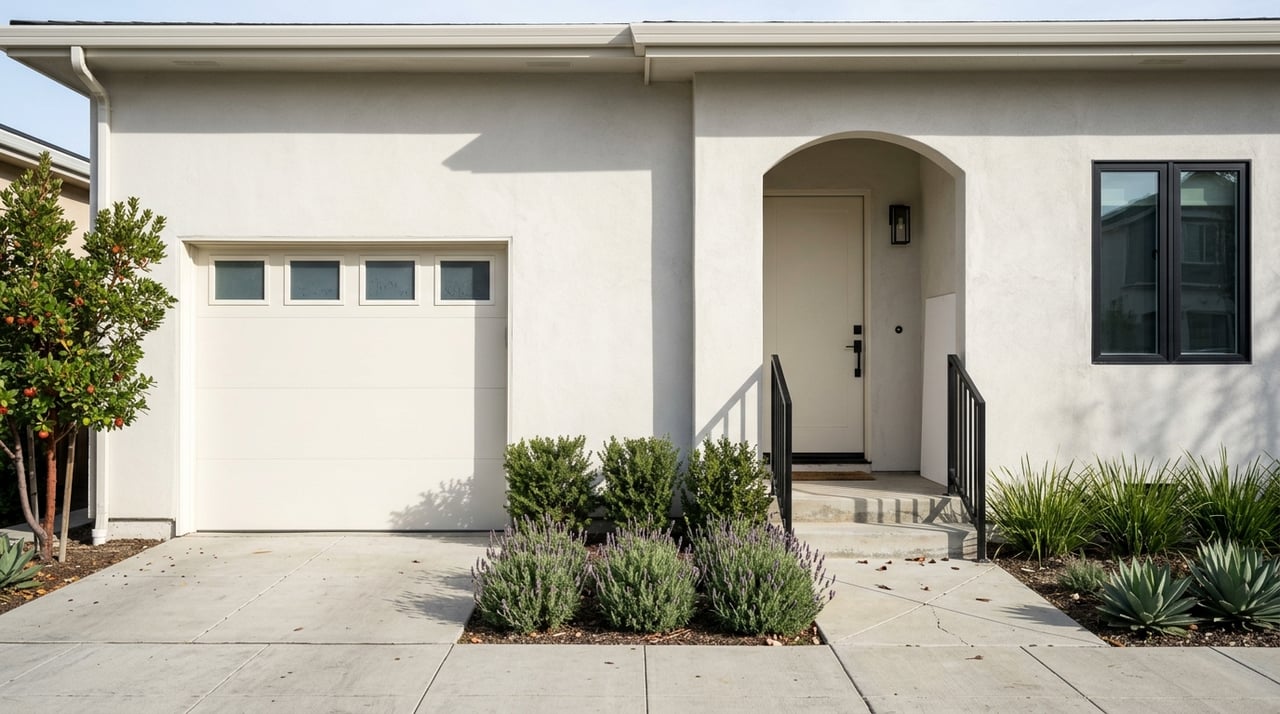
Pittsburg Starter Homes Guide for New Buyers
July 16, 2026
July 16, 2026
Buying your first home can feel like trying to hit a moving target, especially in Contra Costa County. You want something affordable, practical, and worth the investment, but you also do not want to overpay or rush into the wrong fit. If Pittsburg is on your list, the good news is that it can offer a more attainable path into homeownership than many nearby markets. This guide will walk you through what to expect, what kinds of homes you may find, and how to make a strong first move. Let’s dive in.
Pittsburg stands out because it is often more affordable than the county as a whole. The city’s median owner-occupied home value is $595,700, while Contra Costa County’s official FY-2026 median price forecast is $779,750. Realtor.com’s June 2026 snapshot also showed a median listing price of $607,000 in Pittsburg.
That price gap helps explain why many buyers see Pittsburg as an entry point into East Contra Costa homeownership. You may be able to access more home here than in higher-priced parts of the county. At the same time, lower pricing does not mean an easy market.
Pittsburg was described as a seller’s market in June 2026. Homes were selling at a 101% sale-to-list ratio, with an average of 37 days on market. That means well-priced homes can still move quickly, and your offer needs to be thoughtful from the start.
Pittsburg is a sizable city with 77,125 residents and 25,940 housing units, according to its ACS profile. About 58% of homes are owner-occupied, which reflects a market with a solid base of homeowners rather than a purely rental-heavy environment. For first-time buyers, that can be a useful signal that homeownership is a common and realistic goal here.
The city’s median household income is $88,761. Combined with local home values, that supports Pittsburg’s reputation as a more accessible ownership market compared with some other Contra Costa communities. Still, affordability is relative, so your monthly budget matters more than broad market labels.
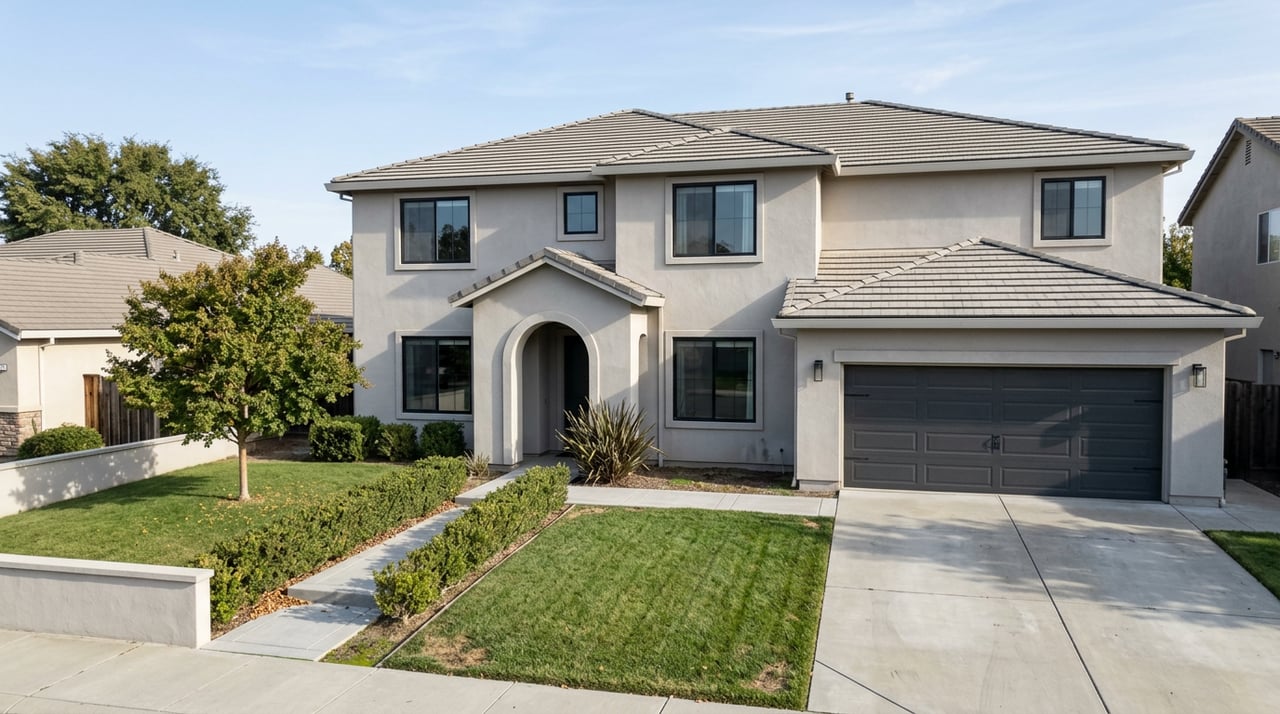
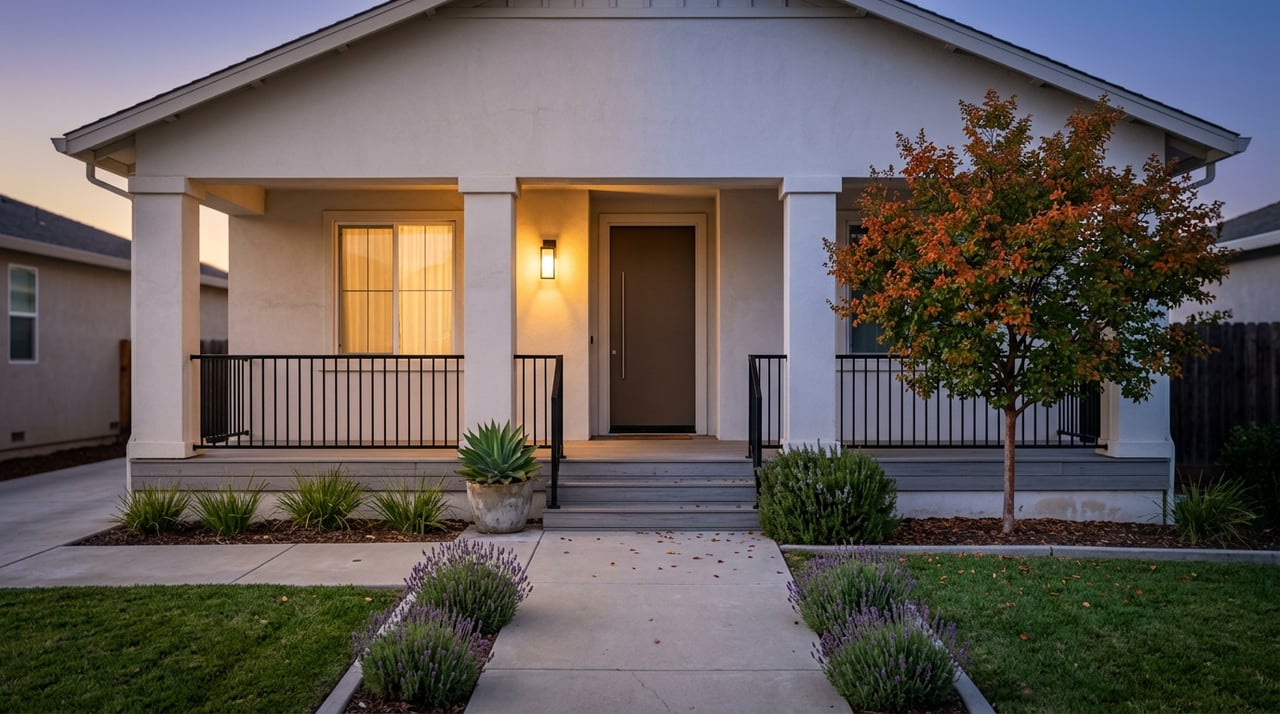
If you picture Pittsburg starter homes as only small condos or only older tract houses, the reality is more mixed. The city’s housing stock is heavily weighted toward single-unit structures, which make up 71% of the total. In practical terms, that means detached single-family homes still make up the core of what many buyers will see.
At the same time, Pittsburg is not limited to one housing style or one era of development. City planning materials point to both ongoing single-family growth and denser mixed-use, transit-oriented redevelopment. The safest expectation is a blend of older suburban homes, newer subdivision or infill homes, and some attached housing options.
That variety can work in your favor. If your top priority is yard space or a detached layout, Pittsburg may offer more options than markets where attached housing dominates. If your priority is lower maintenance or being closer to transit, you may also find options that better fit that lifestyle.
For many first-time buyers, the first big choice is not just price. It is deciding what type of ownership experience fits your daily life and budget.
Detached homes in Pittsburg are generally more likely to be non-HOA properties. That can mean fewer monthly dues and fewer property rules, but it can also mean you are fully responsible for maintenance, repairs, and exterior upkeep.
Attached homes and planned developments are more likely to come with HOA dues and community rules. In exchange, you may get a lower-maintenance setup or access to shared features, depending on the property. The key is to compare the full monthly cost, not just the mortgage payment.
One of the most common first-time buyer mistakes is focusing only on principal and interest. Your actual cost of ownership usually includes several other line items that can affect what feels comfortable month to month.
As you build your budget, plan for:
This matters in Pittsburg because the city’s starter-home inventory is mixed. An older detached home may need repairs or updates sooner, while an attached or planned-development home may have HOA fees that change your monthly budget. A smart budget helps you compare homes more clearly.
Transit access is a meaningful factor in Pittsburg, especially if your commute or daily routine depends on regional connections. The city is served by Tri-Delta Transit and BART, and the two local BART stations are Pittsburg/Bay Point Station at 1700 West Leland Road and Pittsburg Center Station at 2099 Railroad Avenue.
City planning around these station areas has focused on mixed-use and transit-oriented growth. The Railroad Avenue Specific Plan and the Pittsburg/Bay Point BART planning efforts were both intended to support development near transit and increase ridership. For buyers, that usually means homes near the rail corridor are the most likely place to find smaller-lot, attached, or transit-oriented starter options.
If you want a more suburban feel, many detached homes farther from the stations may align better with that preference. If you want easier access to BART, station-area housing deserves a closer look. Neither is better across the board. It depends on how you live and what tradeoffs matter most to you.
Pittsburg is not a static market. The city’s 2040 General Plan update says there are more than 5,000 housing units in the development pipeline. That does not mean all of those homes are immediately available, but it does show that the city is planning for continued housing growth.
For you, this matters in two ways. First, future inventory can expand your range of options over time. Second, newer development may create more choices in product type, especially around planned communities and transit-oriented areas.
Preparation can give you a real advantage in a seller-friendly market. Before you fall in love with a property, make sure your financing and search criteria are clear.
A smart starting point includes:
A preapproval letter can help show a seller that you are likely to obtain financing. It is not a guaranteed loan offer, but it does strengthen your position when you are competing with other buyers.
In Pittsburg, a strong offer is not always the highest offer on paper. In a market where homes can move quickly but buyers still care about value, a clean and realistic offer often carries more weight than an aggressive number without a solid plan behind it.
That usually starts with strong documentation. Your preapproval letter should be ready, your earnest money should be credible, and your terms should match what you are truly comfortable with.
Fannie Mae notes that earnest money is typically 1% to 3% of the offer price. Offers can also include credits, contingencies, and in some situations an escalation clause with a preset cap. The right structure depends on the property, your goals, and your risk tolerance.
Contingencies protect you, but they also affect how competitive your offer looks. That is why you want to be strategic rather than automatic.
CFPB says it is a good idea to make your offer contingent on financing and contingent on a satisfactory inspection when possible. These terms can help protect you if the loan falls through or the inspection reveals serious issues.
In a seller’s market, buyers sometimes feel pressure to strip away protections. That is a personal decision, but it should never be casual. The best approach is to understand each contingency, decide what risk you can reasonably handle, and write an offer that is both competitive and responsible.
If you are trying to keep your search focused, this step-by-step approach can help:
This kind of plan helps you stay grounded when the market feels fast. It also makes it easier to compare homes based on total fit, not just listing price.
Pittsburg offers a real opportunity for buyers who want a more attainable path into Contra Costa County homeownership. It combines a detached-home-heavy housing stock with a growing mix of attached and transit-oriented options, especially near BART. That gives you room to match your budget with your lifestyle priorities.
The market is still competitive, so preparation matters. If you understand the local housing mix, budget for the full cost of ownership, and write a clear, well-supported offer, you can put yourself in a much stronger position.
If you are ready to explore starter-home opportunities in Pittsburg with a local team that knows East Contra Costa, connect with Sold Buy Team for practical guidance and responsive support.
Stay up to date on the latest real estate trends.
Experience the finest in real estate service with a proven track record of satisfied clients who recommend us to their circle. Our mission is your success, as we prioritize your needs and ensure a seamless buying or selling experience. Trust us as your reliable partner, and let's make your real estate goals a reality.