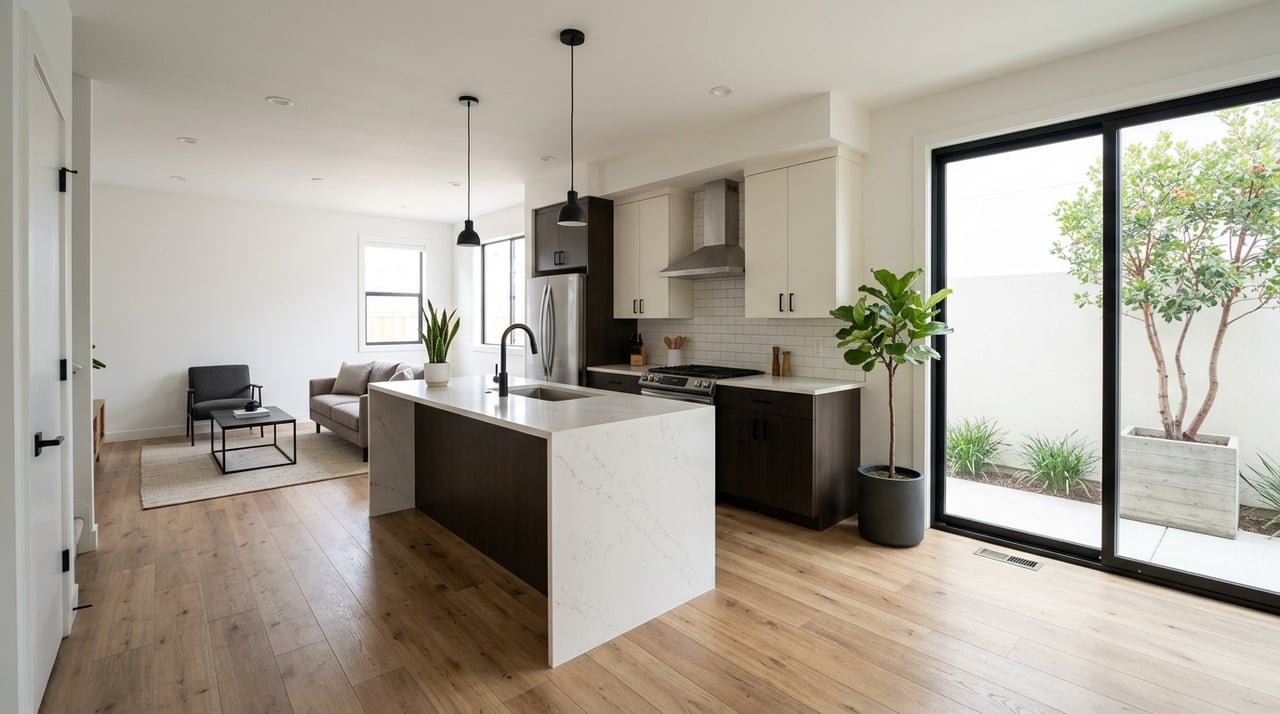
Your First-Time Homebuyer Guide for Antioch
May 28, 2026
May 28, 2026
Buying your first home in Antioch can feel exciting right up until the numbers, timelines, and paperwork start coming at you all at once. If you are wondering how to turn a big goal into a practical plan, you are not alone. This roadmap will walk you through what to expect in Antioch’s current market, how to budget wisely, and how to move from preapproval to closing with more confidence. Let’s dive in.
If you are starting your search, it helps to know what the market looks like right now. In March 2026, Antioch’s median sale price was about $601,000, while the median listing price was about $599,000. Homes were moving in roughly 21 to 32 days, and many properties were getting around two offers.
That said, Antioch is not one flat market. Median listing prices vary by ZIP code, with 94509 around $505,000 and 94531 around $699,000. Looking at ZIP-specific price bands can give you a more realistic target than relying on one citywide number.
The market also has some room for strategy. About 58.4% of homes sold above list price, but 23.5% had price drops. That means you may face competition on some homes while still finding opportunities to negotiate on others.
Before you start touring homes, get clear on what you can comfortably afford each month. Your budget should include more than principal and interest. In Antioch, you also need to plan for property taxes, possible supplemental tax bills after a change in ownership, and, if applicable, HOA dues, special taxes, or assessments.
Contra Costa County notes that the property tax rate includes the 1% general tax plus any general obligation bond rates. A home purchase can also trigger supplemental tax bills after reassessment. For a first-time buyer, that is important because your first year of ownership may include costs that do not show up in a quick online estimate.
If you are considering a condo or townhome, be extra careful with monthly costs. The California Department of Real Estate advises buyers to include HOA dues, special taxes, and assessments in their budget. Attached housing can be a smart entry point, but the total monthly payment matters more than the purchase price alone.
Preapproval gives you a working price range and helps you move faster when you find the right home. It also shows sellers that you are serious. In a market like Antioch, where many homes get multiple offers, that can make a real difference.
As you compare lenders, ask for Loan Estimates so you can review the interest rate, projected monthly payment, and estimated closing costs side by side. Lenders must provide a Loan Estimate within 3 business days after receiving a mortgage application. Later in the process, you should also receive a Closing Disclosure at least 3 business days before closing.
This comparison step is worth your time. A slightly different rate, fee structure, or loan program can change your monthly payment and cash needed at closing. For first-time buyers, that can affect what price range feels sustainable.
Local and state programs may help reduce your upfront cash needs. The City of Antioch’s AHOP program offers interest-free help with down payment and closing costs for eligible applicants, along with other loan programs and a required 6-hour HUD homebuyer education course. The city also notes that funding is currently available.
CalHFA’s MyHome program may also help eligible first-time buyers with a deferred-payment junior loan. According to CalHFA, that assistance can be up to the lesser of 3.5% of the purchase price or appraised value for FHA loans, or 3% for conventional loans. CalHFA also requires homebuyer education and counseling for first-time buyers using its programs.
There is also a Contra Costa County Mortgage Credit Certificate program to watch, but the county currently notes there are no funds available. It is better to view that option as a possible future opportunity rather than part of your immediate plan.
It is easy to get distracted once you begin touring homes. Before you step into your first showing, create a short list of non-negotiables and nice-to-haves. The California Department of Real Estate recommends thinking through factors like location, number of bedrooms, lot size, and proximity to work, schools, hospitals, and services.
This step helps you stay focused when inventory feels limited. It also makes it easier to compare homes fairly instead of reacting emotionally to finishes or staging. A clear plan can save you time and reduce decision fatigue.
Try sorting your list into three categories:
A first tour is about more than deciding whether a home feels right. It is also your chance to start noticing layout, condition, and possible future costs. Pay attention to signs of wear, deferred maintenance, and details that could affect your budget after move-in.
The California Department of Real Estate recommends hiring a qualified inspector to review electrical, plumbing, and structural conditions. Even if a home looks move-in ready, a professional inspection helps you understand what you are really buying. That is especially important for first-time buyers who may not know which issues are cosmetic and which are more serious.
If you are buying in a common-interest development, document review matters too. For condos and townhomes, DRE notes that public-report disclosures can cover utilities, water, roads, soil, zoning, hazards, title, use restrictions, and financial arrangements for the subdivision. That makes HOA document review a key part of your decision.
When you are ready to make an offer, speed matters, but so does protection. In California, DRE recommends including contingencies for loan qualification, repairs, pest control inspections, home inspections, and home warranty coverage. In a competitive market, you may hear about buyers waiving contingencies, but that does not mean it is the right move for every situation.
A smart offer balances competitiveness with risk management. Since Antioch has both multiple-offer activity and price drops, the right strategy depends on the property, your budget, and the home’s condition. Some homes may justify a stronger offer right away, while others may leave room for terms or price negotiation.
DRE also warns buyers not to leave blank spaces in signed contracts and not to give cash for a deposit. Those are simple but important safeguards when you are moving quickly.
California homebuying includes a disclosure-heavy process, and that is a good thing for buyers. DRE says the Real Property Disclosure Statement covers known physical issues and material taxes or assessments. You may also receive other disclosures depending on the property.
You should also review the Agency Relationship Disclosure, which explains whom the agent represents. Knowing who represents whom helps you understand your role, your protections, and how communication should flow during the transaction.
Take disclosure review seriously. This is where you may learn about known defects, assessments, or conditions that affect your decision to move forward. If something is unclear, ask questions before removing contingencies.
In California, escrow is commonly handled by independent escrow companies or title insurance companies. Escrow is the stage where documents, funds, and conditions are coordinated so the sale can close properly. For many first-time buyers, this is where the process starts to feel very real.
Title insurance is also part of the closing picture. DRE explains that title insurance helps protect both the buyer and lender against unknown title defects. While it is not the most exciting part of buying a home, it plays an important role in protecting your ownership interest.
During escrow, stay responsive and organized. You may need to provide updated financial documents, review disclosures, sign forms, and coordinate inspections or repairs. Quick communication can help keep your timeline on track.
Closing is the final stage, when documents are signed and the loan becomes final. Before then, review your Closing Disclosure carefully. You should receive it at least 3 business days before closing, which gives you time to compare the final numbers with earlier estimates.
This is the moment to confirm your loan terms, cash to close, and key fees. If anything looks different than expected, ask about it right away. It is much easier to resolve questions before signing than after the transaction is complete.
After closing, keep an eye out for a supplemental property tax bill. In Contra Costa County, a change in ownership can trigger reassessment, which may lead to an additional bill beyond the annual secured tax bill. Planning for that cost can help you avoid an unwelcome surprise after move-in.
If you want to simplify the process, focus on the steps in the right order. Antioch’s market can move quickly, but first-time buyers usually do best when they stay organized instead of rushing. A clear roadmap gives you more control.
Here is a practical path to follow:
Buying your first home in Antioch does not require guessing your way through the process. It requires a plan, good information, and the right support at each stage. When you understand how the local market works and what costs to expect, you can make decisions with a lot more confidence.
If you are ready to take the next step, the team at Sold Buy Team can help you navigate Antioch with local insight, responsive guidance, and a clear game plan tailored to your goals.
Stay up to date on the latest real estate trends.

Experience the finest in real estate service with a proven track record of satisfied clients who recommend us to their circle. Our mission is your success, as we prioritize your needs and ensure a seamless buying or selling experience. Trust us as your reliable partner, and let's make your real estate goals a reality.