Preparing Your Oakley Home For A Smooth Inspection
May 21, 2026
May 21, 2026
Worried a buyer’s inspection could uncover something that slows down your sale? If you are getting ready to list in Oakley, that concern is completely normal. The good news is that a smoother inspection usually starts with a few smart checks before your home hits the market, and knowing where local issues tend to show up can help you avoid last-minute surprises. Let’s dive in.
A buyer’s home inspection in California is a visual review of readily accessible and visibly observable parts of the property. That usually includes the roof, heating and cooling, plumbing, electrical, structure, interior, and exterior components.
For you as a seller, that means obvious defects, safety concerns, and signs of deferred maintenance are likely to make it into the report. The Transfer Disclosure Statement also describes the property’s condition, but it is not a warranty and it does not replace inspections.
Oakley sellers have a few local factors worth keeping in mind. City emergency planning materials point to flooding, landslides, sea-level rise, wildfires, severe weather, and extreme heat as local hazards, with levee-related vulnerability in some areas. That makes drainage, roof condition, attic ventilation, and cooling performance especially important to review before listing.
Most inspectors are looking for visible issues tied to safety, major defects, or system performance. In practical terms, that often means roof damage, water leaks, plumbing faults, electrical concerns, pest evidence, and HVAC problems.
They are not there to judge your decor or whether your finishes are trendy. What matters most is whether the home’s major systems appear functional, accessible, and free from obvious problems.
That is why pre-sale prep should focus less on cosmetic upgrades and more on anything that creates uncertainty. If a buyer sees a clean report, or at least a report without major surprises, your transaction often feels more predictable from there.
A pre-listing inspection is optional, but it can be a smart move if you want more control over the process. It gives you time to learn what may come up later, decide what to repair, and gather documentation before you are negotiating with a buyer.
This can be especially helpful if you plan to sell in the next 6 to 12 months. That window gives you time to address defects, schedule licensed work if needed, and confirm whether any repair or replacement requires city permits or final inspections.
If you do not want to start with a full pre-list inspection, you can still take a focused approach. In Oakley, the highest-value checks usually involve HVAC, roofing and drainage, moisture and pest risk, and permit history.
Oakley summers can be hot, so cooling performance matters. If your air conditioner or heat pump is not running efficiently, a buyer’s inspector may note poor airflow, maintenance issues, or signs that the system needs service.
Dirty filters are one of the simplest problems to fix. The U.S. Department of Energy says dirty filters reduce airflow and efficiency, and can contribute to premature failure.
A professional HVAC tune-up is often worth it before listing. Annual pre-season service commonly includes checking the thermostat, condensate drain, electrical connections, controls, coils, and filters.
Before your home goes on the market, make sure you:
Those steps can help your home show better during the inspection and during buyer walkthroughs too.
Roof issues can quickly become negotiation issues. A standard inspection includes roofing materials, flashing, and roof drainage systems, so visible wear or signs of leaks are likely to get flagged.
Take a look for missing shingles, damaged flashing, stained ceilings, soft spots, clogged gutters, or water pooling near the home. Even if the issue seems minor, it is better to investigate it now than have it show up in the buyer’s report.
In Oakley, drainage deserves extra attention because local hazard planning highlights flood-related concerns in some areas. You want water moving away from the house, not toward the foundation.
A simple roof and drainage checklist includes:
If you are dealing with major reroof work or a prior roof replacement, verify permit history with the City of Oakley. The city notes that reroofs typically require permits and inspections, including tear-off and final inspection.
Pest and moisture concerns are another area where sellers can save themselves stress by acting early. In California, drywood termites are common and can be hard to detect because they often live deep inside wood.
That is one reason a pre-list pest inspection can be so useful. Visual inspections by professionals remain one of the main ways drywood termites are found, and treatment usually requires a professional approach.
Moisture often goes hand in hand with pest risk. UC IPM recommends repairing foundation cracks, plumbing leaks, faulty grades, and exterior defects, while keeping substructures dry and ventilated.
Before listing, pay attention to:
If you do find a problem, address the moisture source and keep records of any treatment or repairs. That can help reduce uncertainty once escrow begins.
One of the easiest ways to create buyer confidence is to have your paperwork organized. If you have replaced a water heater, upgraded electrical service, reroofed, or remodeled, it helps to confirm that the work was properly permitted and finalized when required.
The City of Oakley says most construction projects require permits, and it specifically notes that building, electrical, plumbing, mechanical, and roofing permits require inspections. For sellers, that means undocumented work can raise questions during the transaction.
It is also wise to gather supporting documents for completed work. California disclosure guidance notes that inspection reports and expert opinions may be part of the seller’s disclosure package.
Helpful records may include:
Clear documentation will not erase defects, but it can make the story of the home easier to understand and easier for buyers to trust.
If you want a smoother inspection, timing matters. Trying to handle everything the week before listing usually creates stress and rushed decisions.
Schedule a pre-list inspection if you want a full picture early. This is also a good time to book HVAC service and roof or pest evaluations.
That longer runway gives you room to separate small maintenance items from bigger issues. It also gives you time to check if any repair work needs permits before the home goes live.
Finish the repairs most likely to concern a buyer. Focus on leaks, drainage, filters, condensate drains, crawlspace moisture, and vegetation touching the structure.
If work requires a permit, check with the City of Oakley before the repair begins. That step can help you avoid delays later when buyers ask questions.
Make the home easy to inspect. Standard inspections are limited to readily accessible and visibly observable components, so blocked access can become its own problem.
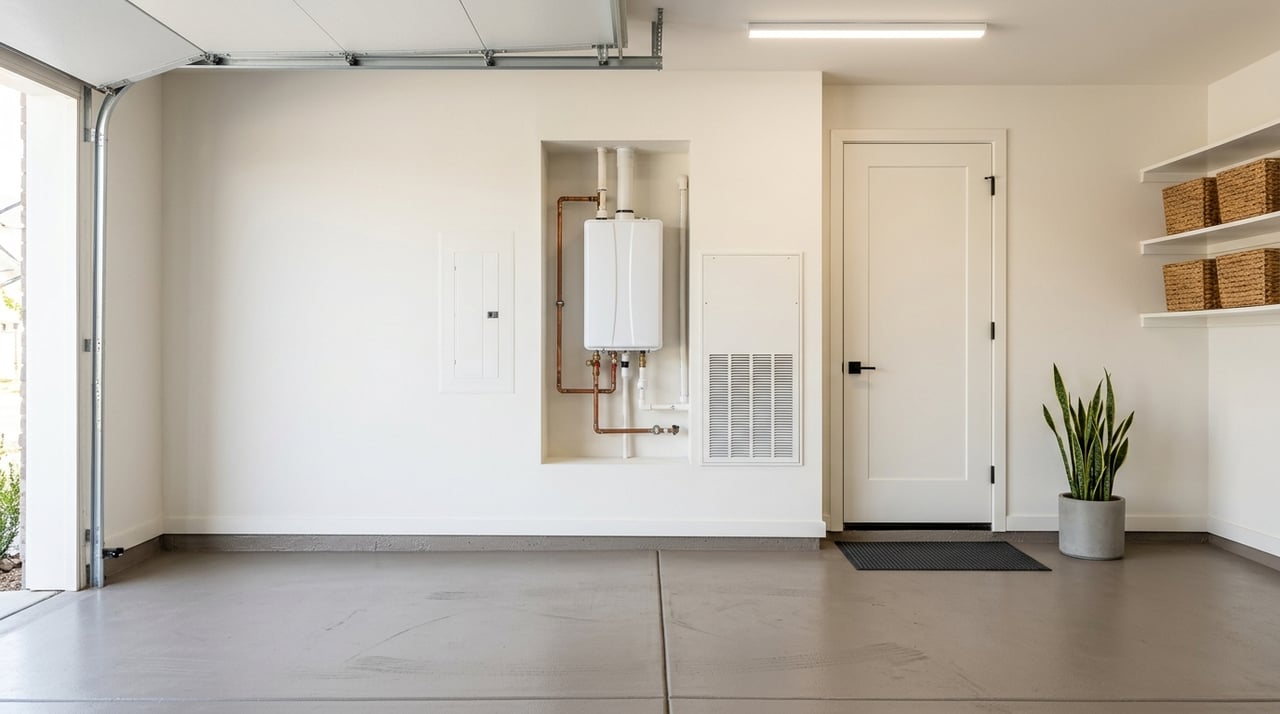
Clear access to the attic, crawlspace, electrical panel, furnace, water heater, and garage. For occupied buildings, Oakley says an adult must be present for interior inspections, and a roof ladder must be provided for roof inspections.
You do not need to make your home perfect. You just want to reduce the chance that a buyer’s inspector finds avoidable issues that create concern or slow negotiations.
In Oakley, the smartest prep usually comes down to four things: make sure the HVAC is working well, resolve roof and drainage concerns, stay ahead of moisture and termite risks, and organize your permits and service records. Those steps help create a cleaner inspection story and a more confident buyer experience.
When you are getting ready to sell, the right guidance can help you decide what is worth fixing now and what can simply be documented clearly. If you want a practical plan for your next move in Oakley, connect with the Sold Buy Team.
Stay up to date on the latest real estate trends.



Experience the finest in real estate service with a proven track record of satisfied clients who recommend us to their circle. Our mission is your success, as we prioritize your needs and ensure a seamless buying or selling experience. Trust us as your reliable partner, and let's make your real estate goals a reality.