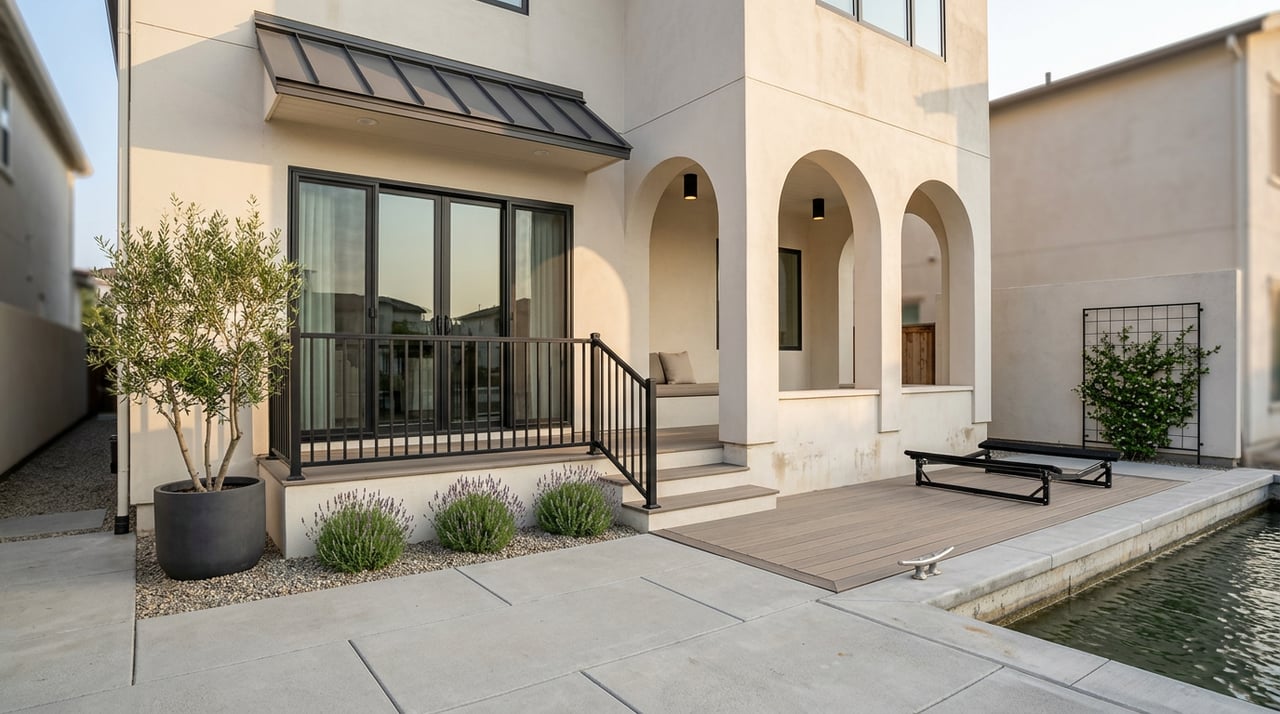
Discovery Bay Waterfront Home Guide: Deep Water to Lagoon
March 24, 2026
March 24, 2026
Picture yourself stepping from your back patio onto a private dock, coffee in hand, as the Delta wakes up around you. If that sounds like your kind of morning, Discovery Bay offers several ways to live near the water, each with different boating access, upkeep, and budget considerations. In this guide, you’ll learn how deep-water, lagoon, golf-adjacent, and off-water homes compare so you can choose the right fit. Let’s dive in.
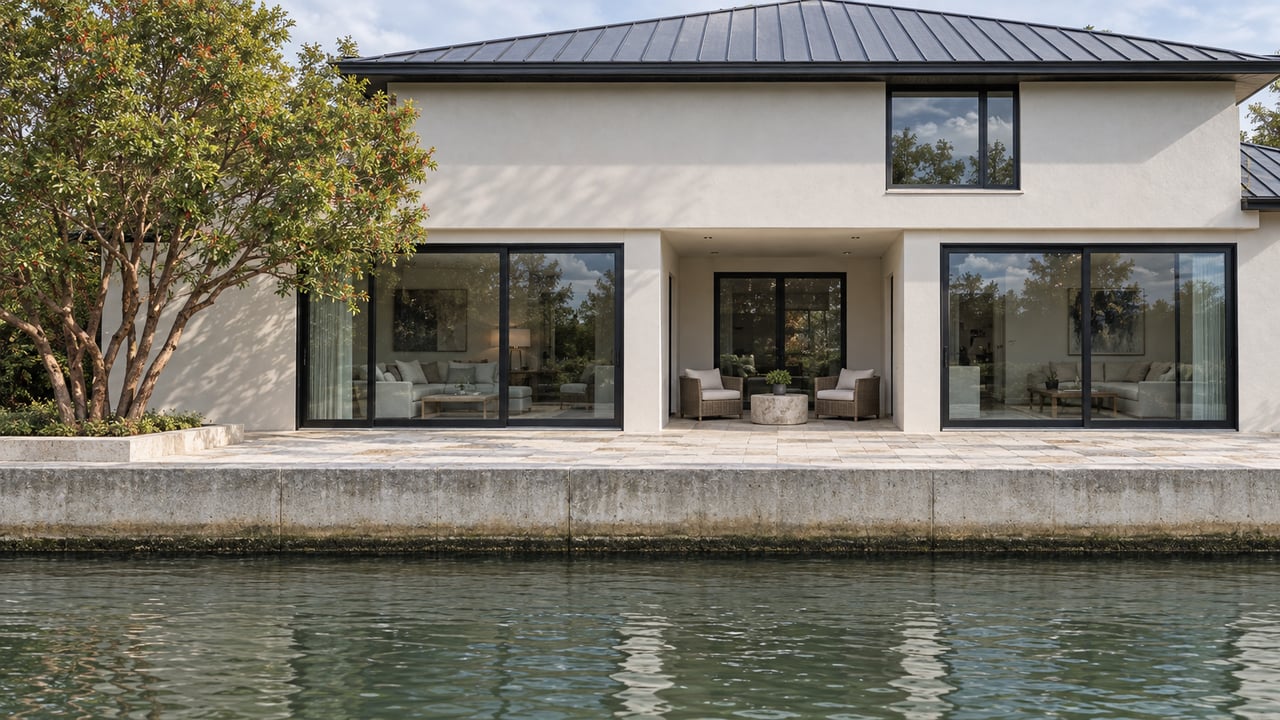
Deep-water homes sit on channels or points with quick access to the main San Joaquin–Sacramento Delta. Listings often highlight “minutes to fast water,” which is local shorthand for faster routes to the open channels and popular destinations. These properties commonly feature U-shaped docks, covered docks, and boat lifts, which are frequently called out in listing details.
If you plan to keep a larger boat or want the quickest path to open water, deep-water is the premium choice. Prices often range from around the high $700s for smaller or older deep-water homes into $1 million to $1.6 million or more for custom builds, large point lots, or newer construction. The premium reflects both access and improvements like upgraded docks, lifts, and expansive decks.
Lagoon or canal-front homes back to calmer, more sheltered water within the community. These areas are popular for paddleboards, kayaks, and smaller boats. Access to the main Delta is still available, but it usually takes more time than from a deep-water point or main channel.
Lagoon and golf-adjacent lagoon homes often price in the mid six figures to the low seven figures, depending on lot, updates, and dock setup. For many buyers, the trade-off is worth it: you get a quieter backyard experience and typically less boat traffic. Be sure to ask about historical dredging or depth if you plan to keep a powerboat.
Homes along Discovery Bay Country Club offer golf course views, gated streets in some cases, and club-access lifestyle options. Many are in HOA-managed neighborhoods, with dues and rules that vary by subdivision. Some of these homes face lagoons, while others are off-water but trade direct boating for golf-centric amenities.
If your priority is a club lifestyle and community feel, this can be a strong pick. You’ll want to review HOA documents, club membership options, and any rules that could affect docks or boat storage. You can explore the club’s overview to understand amenities and membership framework on the Discovery Bay Country Club page.
Off-water homes sit on interior lots without a private dock, which lowers maintenance and avoids most dock-related permitting and repairs. Many buyers choose this option to get into Discovery Bay at a more accessible price point. Recently, off-water homes have often closed in the roughly $600,000 to $750,000 range, subject to updates and location.
If you still want boat access, the Discovery Bay Marina can be your solution. The marina offers services and a range of wet slips, reported from about 30 feet to 90 feet, along with fuel and maintenance support. Review slip sizes, availability, and rates directly with the Discovery Bay Marina.
As of early 2026, city-level snapshots put the median sale price around $790,000, with average home values near $785,000. Your exact target will depend on water type, dock features, and property condition.
Local listings regularly use “minutes to fast water” to set deep-water homes apart. If you’re an active boater who plans to head out often, that advantage can be significant. If your boating is more casual, a lagoon or canal location can be perfectly suitable and often quieter.
For oversized vessels or off-water owners, the marina is a strong alternative. The Discovery Bay Marina advertises a range of slip lengths, fuel, and services, which can simplify boat ownership. If you plan to rely on the marina, confirm slip availability and any waiting lists early in your search.
You’ll see a mix of fixed-pile docks, floating docks, single-U and double-U layouts, covered docks, and electric boat lifts in Discovery Bay. Larger or covered docks and powered lifts often correlate with higher property prices. They also bring higher ongoing maintenance and eventual replacement costs.
Industry summaries place many residential dock projects in the five-figure range to build or replace, with typical averages around $7,000 to $25,000 and common midpoints near $15,000. Heavy piling work, lift replacement, or bulkhead and seawall repairs can cost more. For planning purposes, review national cost guidance and then get estimates from local marine contractors. A quick primer is available in this dock repair cost overview.
In-water and shoreline projects often require coordination with state and federal agencies. In California, many dock or shoreline modifications trigger notification under the Lake and Streambed Alteration program. Federally, the U.S. Army Corps of Engineers regulates structures and dredging in navigable waters under Section 10 and Clean Water Act Section 404. Ask for prior approvals and verification for any existing dock, lift, or dredge work, and confirm what would be required if you plan changes.
Discovery Bay’s levees and water management are overseen by Reclamation District 800. RD 800’s work is funded by property assessments and supports levee inspections, drainage, and flood protection. Before you buy, request the current assessment amount for the parcel and ask about any pending maintenance or capital measures. You can learn more about RD 800 programs and responsibilities through the RD 800 information page.
Public risk summaries show Discovery Bay has a moderate level of flood exposure overall, with a meaningful share of properties at elevated risk over coming decades. Insurance needs depend on your exact address and lender. To understand your exposure, pull a parcel-specific map from the FEMA Map Service Center and talk with your insurance agent about NFIP or private flood insurance options.
Discovery Bay includes areas with no HOA, standard HOAs, and the gated Country Club. Rules and dues vary widely. If your home has a dock or faces water managed by an association, review the CC&Rs and design guidelines closely.
Key items to look for include boat size limits, whether lifts are allowed, dock design and placement rules, the number of boats you can keep, guest-dock policies, and whether the dock is part of the lot or handled under a separate license. If you expect to use club facilities or reciprocal docking through memberships, check policies early. For example, the Discovery Bay Yacht Club has membership rules and guest slip policies that can shape your boating plans.
If a golf lifestyle is important, review the Discovery Bay Country Club overview and ask for subdivision HOA documents. Amenities and dues can be a worthwhile trade if you value organized activities and course access.
Use this quick list to streamline your offer and inspection period:
When you are ready to compare specific homes, local comps, and dock details, our team is here to help you narrow the choices and negotiate with confidence. To ask questions or schedule tours, reach out to the Sold Buy Team.
Stay up to date on the latest real estate trends.
Experience the finest in real estate service with a proven track record of satisfied clients who recommend us to their circle. Our mission is your success, as we prioritize your needs and ensure a seamless buying or selling experience. Trust us as your reliable partner, and let's make your real estate goals a reality.